
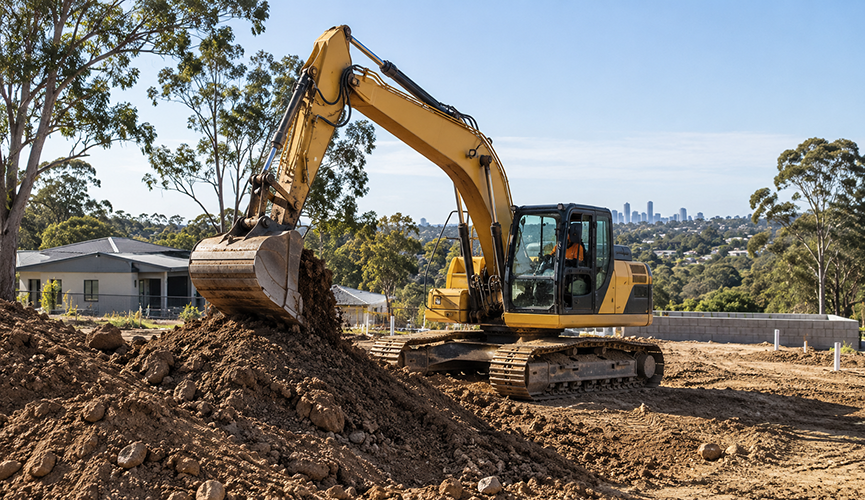
Planning any earthmoving or construction project across Greater Sydney requires a accurate understanding of machinery hire costs. Whether you are clearing a residential block in Penrith, digging a swimming pool in the Sutherland Shire, preparing a driveway in the Hawkesbury, or cutting trenching for utilities in the Inner West, excavator hire rates vary based on machine capacity, hire duration, and site logistics.
In Sydney, dry hire rates for a standard mini excavator generally range from $200 to $420 per day. If you require a professional machine operator, wet hire rates range from $90 to $170 per hour. Understanding how these figures are calculated ensures you build an accurate budget without unexpected site expenses.
This guide breaks down excavator hire rates across Sydney and New South Wales, covering daily rates, hourly operator fees, transport float costs, attachment charges, soil variables, and sample project estimates.
Comprehensive Breakdown of Excavator Hire Rates in Sydney
Machinery rental costs are primarily driven by machine tonnage, hydraulic capacity, and engine power. Smaller machines under three tonnes are easier to transport and require less fuel, making them ideal for tight residential jobs. Larger excavators required for heavy civil cuts, bulk earthmoving, or rock excavation command higher rates due to transport complexity and capital value.
| Excavator Weight Category | Machine Tonnage | Daily Dry Hire Rate (Exc. GST) | Hourly Wet Hire Rate (Exc. GST) | Primary Project Applications |
| Micro Excavator | Under 1.2 Tonnes | $200 – $220 | $90 – $120 | Tight backyard access, under house digs, narrow side paths |
| Standard Mini Excavator | 1.5 – 2.0 Tonnes | $220 – $280 | $100 – $140 | Residential trenching, landscaping, small footings, turf prep |
| Medium Compact Excavator | 3.5 – 5.5 Tonnes | $340 – $420 | $120 – $150 | Pool excavations, driveway prep, retaining wall cuts |
| Heavy Compact Excavator | 8.0 – 14.5 Tonnes | $420 – $650 | $145 – $185 | Site clearing, heavy foundation cuts, bulk soil removal |
| Large Civil Excavator | 20.0 – 25.0 Tonnes | $700 – $1,200 | $190 – $350 | Major civil infrastructure, subdivision cuts, commercial sites |
All standard rental rates in Sydney are quoted excluding GST, fuel, delivery transport, and specialized attachments unless specifically bundled into a contract.
Dry Hire vs. Wet Hire: Evaluating the Real Cost Difference
Choosing between dry hire and wet hire is one of the most critical financial decisions when planning excavation work. The decision involves weighing upfront machine rental against total project efficiency, safety, and personal time.
Dry Hire (Machine Only)
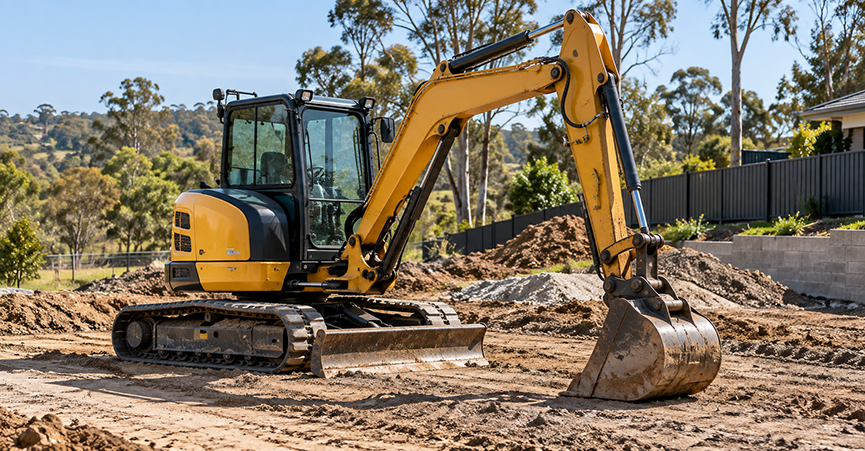
Dry hire involves renting the excavator on its own and operating the machinery yourself. It is popular among DIY homeowners, builders, and tradespeople who have machinery experience.
Benefits of Dry Hire:
- Lower base daily equipment charge.
- Total flexibility over daily working hours and site pacing.
- Cost effective for long term projects where the machine sits on site for multiple days.
Drawbacks and Hidden Costs of Dry Hire:
- You are fully responsible for picking up the machine or paying float delivery fees.
- Learning curve for inexperienced operators leads to significantly slower project completion.
- Hirer assumes liability for property damage, structural impacts, and underground pipe strikes.
- Requires returning the machine completely clean and fully refueled with diesel.
Wet Hire (Machine + Qualified Operator)
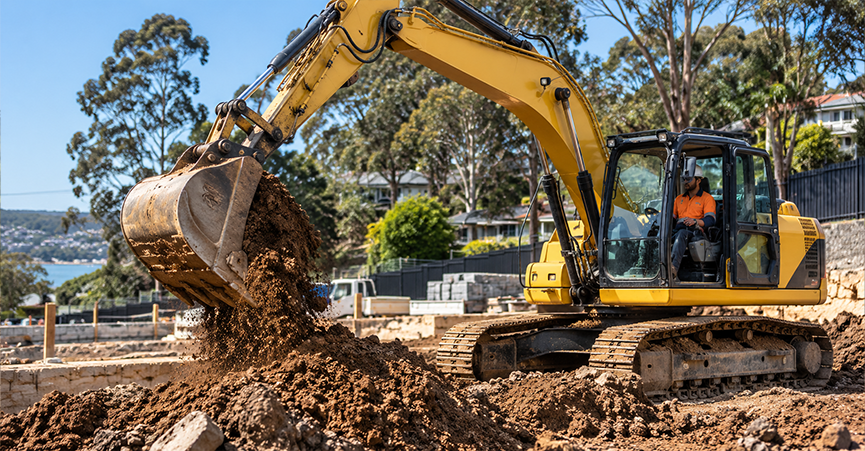
Wet hire includes both the excavator and an experienced operator who manages digging, grading, material handling, and machine safety.
Benefits of Wet Hire:
- Exceptional precision and significantly faster job completion rates.
- Operator carries comprehensive public liability insurance and commercial site competencies.
- Eliminates the risk of costly property damage or accidental utility line destruction.
- Fuel management, machine transport, maintenance, and cleaning are handled entirely by the provider.
Drawbacks of Wet Hire:
- Higher initial hourly base price.
- Minimum booking requirements usually set at three to four hours plus a travel float charge.
For homeowners and project managers looking for reliable site outcomes, engaging a specialized provider for earthworks sydney ensures your project is completed safely, quickly, and to precise engineering specifications.
Additional Fees and Hidden Site Costs to Factor Into Your Budget
When requesting quotes, looking only at the base daily or hourly rate can lead to budget overruns. Several auxiliary costs regularly feature on excavation invoices across Greater Sydney.
1. Delivery and Float Transport Charges
Unless you have a commercial vehicle capable of towing a heavy machine trailer, the hire yard must transport the excavator to your site using a tilt tray or low loader float truck.
- Sydney Metro Area (Within 30km of CBD): $110 to $180 each way for mini machines, or up to $350 each way for medium excavators.
- Greater Sydney Outer Suburbs (30km to 60km): $180 to $300 each way depending on traffic corridors and distance.
- Regional NSW, Blue Mountains, or Central Coast: Tailored float quotes ranging from $300 to $500+ each way.
2. Specialized Attachment Hire Rates
Standard machine hires come equipped with a mud bucket and two trenching buckets. Specialized tasks require dedicated hydraulic attachments charged on a daily or hourly basis:
- Augers and post hole borers for piering and fencing: $70 to $180 per day.
- Hydraulic rock hammers for breaking concrete or rock: $120 to $330 per day.
- Rock grabs and timber grabs for clearing and sorting: $80 to $150 per day.
- Diamond blade rock saws for precise sandstone cutting: $500 to $600 per day.
- Rippers for tough clay or tree root removal: $40 to $70 per day.
3. Refueling and Washdown Surcharges
Hire companies hand over machinery with a full tank of diesel and a washed chassis. Equipment must be returned in the same condition.
- Un-refueled Diesel Surcharge: Depots charge premium fuel rates between $3.50 and $5.00 per liter if returned empty.
- Cleaning and Washdown Fee: Machines returned covered in mud, clay, or wet concrete incur cleaning fees from $110 to $250.
How Sydney Ground Conditions Impact Excavation Costs
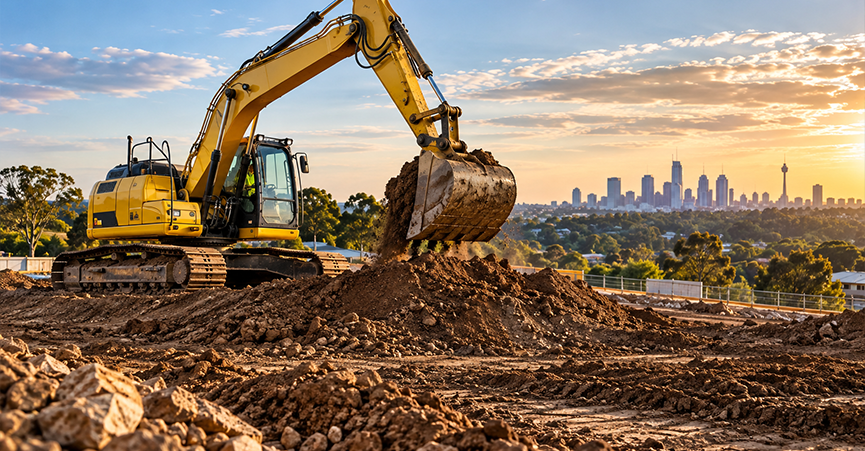
The unique geology of the Sydney basin plays a major role in determining equipment selection and overall project costs. Digging in soft soil is straightforward, but Sydney terrain frequently presents underground challenges.
Hawkesbury Sandstone
Sandstone is prevalent across the Northern Beaches, Lower North Shore, Eastern Suburbs, and Sutherland Shire. Standard digging buckets cannot penetrate solid Hawkesbury sandstone. Breaking through sandstone requires medium to large excavators fitted with hydraulic rock hammers or diamond blade rock saws, increasing daily equipment costs by $200 to $600 per day.
Wianamatta Clay and Shale
Prevalent across Western Sydney, the Hills District, and South Western Sydney, Wianamatta shale creates heavy, sticky clay conditions. Clay clogs excavator buckets, reduces digging speed, and increases machine fuel consumption. Wet clay also makes site access difficult, often requiring rubber tracked machines or specialized track pads to avoid getting bogged.
Real-World Sydney Project Cost Breakdown
To assist with project budgeting, here is how typical residential and commercial earthmoving tasks stack up in total cost when factoring in equipment, labor, transport, and site disposal fees.
| Project Type | Recommended Machine Size | Estimated Duration | Total Estimated Cost Range |
| Backyard Landscaping and Site Clean | 0.8T – 1.7T Mini Excavator | 1 – 2 Days | $450 – $950 |
| Residential Pool Dig | 3.5T – 5.5T Excavator | 2 – 3 Days | $1,200 – $2,800 |
| Utility Service Trenching | 1.7T Mini Excavator | 1 Day | $350 – $650 |
| Retaining Wall Cut and Piering | 3.5T – 8.0T Excavator | 2 – 4 Days | $1,800 – $4,200 |
| Concrete Driveway Excavation | 1.7T – 3.5T Excavator | 1 – 2 Days | $600 – $1,400 |
| Commercial Site Clearing | 14.5T – 23.0T Excavator | 3 – 7 Days | $4,500 – $12,000 |
Actual project expenses vary based on site access constraints, soil hardness, sandstone presence, dump truck tipping fees, and local council requirements.
NSW Regulations, Licensing, and Underground Utility Risks
Operating heavy machinery requires compliance with New South Wales safety legislation to protect workers, neighbors, and public infrastructure.
Licensing Requirements in New South Wales
Under the NSW Work Health and Safety Act, individuals operating an excavator on private residential property for personal DIY work do not require a specific heavy machinery license.
However, for commercial job sites, public infrastructure, or workplace environments, operators must possess documented evidence of competency or a recognized statement of attainment. Employers must verify operator competency before work commences.
Underground Utility Protection and Before You Dig Australia
One of the greatest hazards in excavation work is striking buried utility services. Striking a gas line, high-voltage electrical conduit, main water pipe, or fiber optic trunk line results in massive repair costs, severe site delays, and potential personal injury.
- Plans provided by Before You Dig Australia only show mains infrastructure outside or near property boundaries. They rarely map private electrical, gas, or plumbing conduits inside private land.
- Inexperienced operators dry hiring machinery risk severe financial liability if underground services are damaged.
- Partnering with licensed contractors who provide comprehensive earthworks services ensures professional service locating is performed prior to breaking ground, protecting your property against utility damage.
Practical Ways to Keep Your Excavator Hire Costs Low
Managing site logistics and planning ahead can significantly reduce total equipment expenses on any earthmoving project.
- Batch Site Tasks Together: Combine all excavation work including site levelling, post hole drilling, trenching, and clearing into a single booking period to avoid multiple float delivery fees.
- Utilize Weekly Hire Rates: If your job requires equipment for more than three days, request a weekly rate package. Weekly hires offer daily savings between 20% and 30% compared to standard daily rates.
- Measure Access Corridors Accurately: Check gate widths, fence clearances, and tree canopy heights before ordering. Renting a machine that cannot fit through your side path leads to wasted delivery fees and project delays.
- Prepare the Work Area in Advance: Remove surface rubbish, fallen timber, and garden obstacles before equipment arrives so the operator can start digging immediately.
- Wash and Refill Before Returning: Clean the tracks, chassis, and buckets with a high-pressure hose and refill the diesel tank at a local service station to avoid expensive depot surcharges.
Why Choose Blackrock Earthworks for Your Sydney Project
Navigating machinery selection, soil conditions, transport logistics, and site safety can quickly become overwhelming. While dry hire offers an accessible option for minor weekend jobs, complex excavations and structural site cuts are handled far more efficiently by professional operators.
At Blackrock Earthworks, we deliver reliable, high-quality earthmoving solutions across Greater Sydney, the Hawkesbury, and Central West NSW. Our fleet of modern excavators, tipper trucks, and specialized attachments handles everything from residential site cuts and pool excavations to complex civil works and sandstone retaining wall preparation.
We focus on clear communication, transparent pricing, and down-to-earth service. Contact Blackrock Earthworks today for expert advice and a comprehensive quote tailored to your exact site requirements.
Frequently Asked Questions
What is the average daily cost to hire a mini excavator in Sydney?
Daily dry hire rates for a mini excavator (1.5 to 2.0 tonnes) in Sydney typically start between $200 and $280 per day excluding GST, transport float fees, fuel, and attachments. Wet hire rates with an operator range from $100 to $140 per hour.
Do I need a license to dry hire a mini excavator in Sydney?
No, you do not need a specialized license to dry hire a mini excavator for DIY projects on private residential property in NSW. However, you must operate the machine safely and follow all manufacturer guidelines.
What is the minimum booking time for wet hire excavators?
Most Sydney earthmoving suppliers require a minimum wet hire booking of three to four hours, plus a travel float charge equivalent to one hour of operator labor.
How much do transport and float delivery fees cost in Sydney?
Float transport fees within the Sydney metro area generally range from $110 to $180 each way for mini excavators, and $180 to $350 each way for medium machines. Outer suburbs and regional locations incur distance-based delivery rates.
What happens if I strike an underground pipe while operating a dry hire excavator?
If you strike an underground service while dry hiring a machine, you are personally liable for all repair costs, emergency response fees, and property damages. Utilizing professional service locators or choosing wet hire mitigates this risk significantly.