
Water is essential for a healthy property, but too much of it in the wrong place can quickly become a problem. Whether you’re dealing with a constantly soggy backyard, water pooling near your home or muddy paddocks that never seem to dry out, poor drainage can affect both the appearance and functionality of your land.
Across Greater Sydney, the Hawkesbury and Central West NSW, property owners face different drainage challenges depending on soil conditions, natural slopes, rainfall and land use.
Without suitable property drainage solutions, excess water can contribute to soil erosion, unstable ground, damaged landscaping and ongoing maintenance problems.
The good news is that many drainage issues can be improved through proper assessment, professional earthworks and carefully designed drainage systems.
What Causes Poor Drainage on a Property?
Understanding why water collects on your property is essential before deciding how to fix it. Installing a drain without identifying the underlying cause may simply move the problem somewhere else.
Incorrect Land Grading
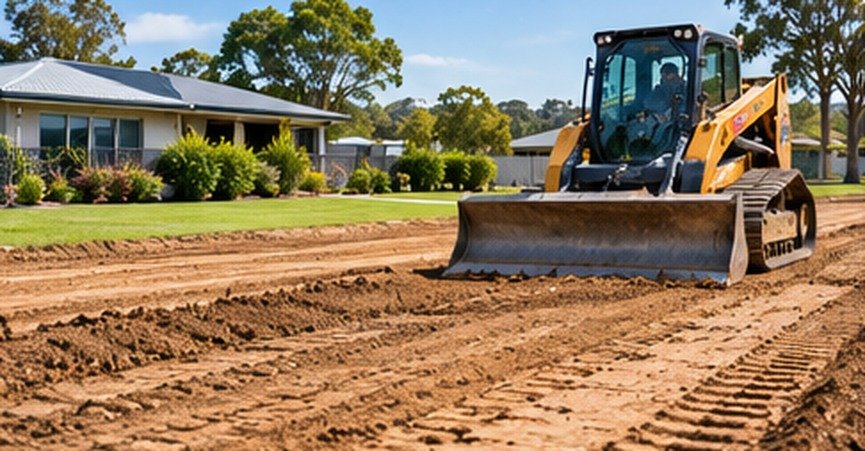
Land grading refers to shaping the ground to control how surface water flows.
When a property has uneven levels, low areas or surfaces that slope towards buildings, rainwater may collect instead of draining away.
Poor grading is particularly common around newly developed properties, driveways and landscaped areas where the natural ground levels have been altered.
Professional site levelling and grading can help establish suitable surface falls, allowing water to move towards an appropriate drainage system.
Compacted or Poorly Draining Soil
Soil type has a significant influence on how quickly water can soak into the ground.
Heavy clay soils generally allow water to infiltrate more slowly than sandy soils. When soil becomes compacted by machinery, vehicles or frequent foot traffic, drainage can become even more restricted.
This can leave lawns, paddocks and access tracks saturated for extended periods following rainfall.
Depending on the conditions, drainage improvements may involve reshaping the land, installing subsoil drainage or improving the way surface water is collected.
Blocked or Inadequate Stormwater Systems
Leaves, sediment, roots and debris can obstruct stormwater pipes, pits and surface drains.
When these systems cannot carry water away effectively, excess rainfall may overflow onto surrounding areas.
Older properties may also have drainage systems that no longer suit changes made to driveways, roofs, landscaping or other hard surfaces.
Inspecting the existing drainage infrastructure is often an important first step before planning additional earthworks.
Common Signs Your Property Has Drainage Problems
Not every drainage issue is immediately obvious. Some problems become noticeable only after prolonged rain, while others develop gradually over several seasons.
One of the clearest warning signs is standing water that remains on lawns, garden beds or driveways long after rainfall has stopped.
Constantly muddy areas, particularly around gates, pathways and paddocks, can also indicate poor surface drainage.
On sloping properties, water may create channels in the soil as it travels downhill. Over time, these channels can develop into more serious erosion problems.
Other warning signs include moisture accumulating near buildings, sediment washing across driveways, deteriorating landscaping and unusually soft ground.
If these conditions continue to develop, professional residential drainage solutions or rural drainage improvements may be necessary.
Effective Property Drainage Solutions for Residential Homes
Residential properties require drainage systems that manage excess water without compromising existing structures, landscaping or neighbouring properties.
The most suitable approach depends on the property’s layout, soil conditions and available stormwater discharge points.
Surface Drainage Systems
Surface drainage is designed to collect water flowing across the ground before it accumulates in unwanted areas.
Depending on the site, this may involve grated channel drains, surface pits or carefully graded drainage channels.
Channel drains are commonly considered around driveways, garages and paved areas where rainfall can collect.
A properly designed system directs collected water towards an approved discharge point rather than allowing it to flow uncontrolled.
Subsoil Drainage
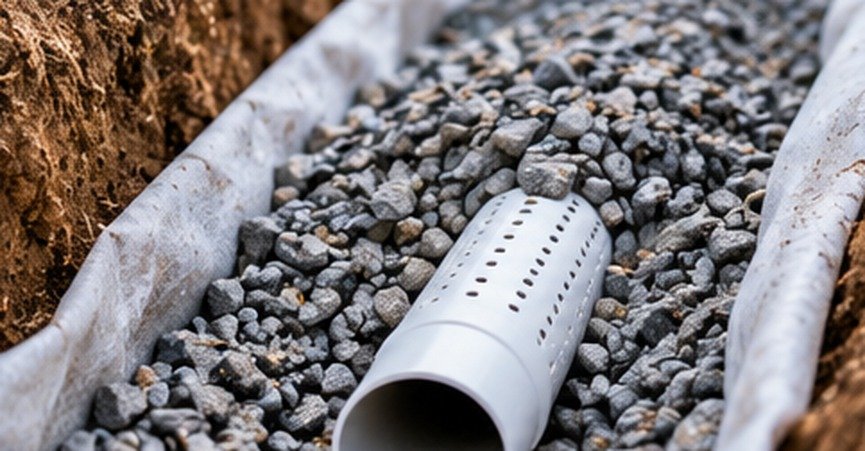
Subsoil drainage is used to manage water accumulating beneath the ground surface.
These systems may involve perforated drainage pipes surrounded by suitable drainage aggregate and filter materials.
Subsoil drainage can be useful in certain landscaped areas, behind retaining walls and around excavated sections of sloping properties.
However, it is important to assess where collected water will discharge before installing the system.
Land Levelling and Grading
Sometimes the most effective drainage improvement begins with reshaping the land.
Professional earthmoving equipment can adjust ground levels to reduce low spots and encourage surface water to flow in the intended direction.
Proper grading is particularly important when preparing a site for landscaping, driveways, sheds or other construction projects.
When combined with an appropriately designed drainage system, accurate grading can help reduce recurring waterlogging.
Drainage Solutions for Rural Properties and Acreage
Rural properties often face more complex drainage challenges because they cover larger areas and may contain multiple slopes, tracks, paddocks and structures.
Water management is especially important where land is regularly used by vehicles, livestock or horses.
Paddock Drainage and Waterlogged Ground
Poorly draining paddocks can become muddy and difficult to maintain, particularly around frequently used gateways and feeding areas.
Excess moisture can damage pasture and make everyday property management more challenging.
Depending on the location and soil conditions, improvements may involve surface grading, drainage channels and appropriate subsoil drainage systems.
A carefully planned approach helps manage water while maintaining safe, usable land.
Rural Driveways and Access Tracks
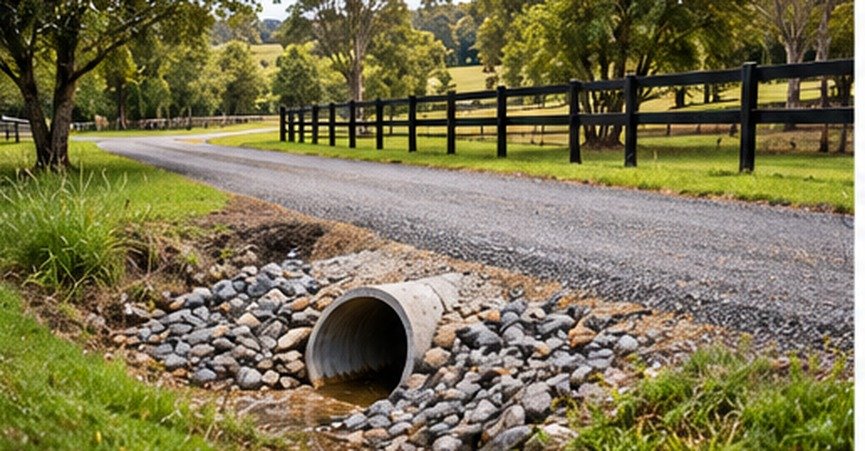
Unsealed driveways and rural access roads can deteriorate quickly when water is allowed to flow across or along the driving surface.
Heavy rainfall may wash away gravel, create ruts and weaken sections of the road base.
Suitable drainage measures can include cross-falls, table drains, culverts and erosion-resistant outlets, depending on the design and site conditions.
Proper preparation and compaction are also important for maintaining a durable access surface.
Horse Arena and Equestrian Drainage
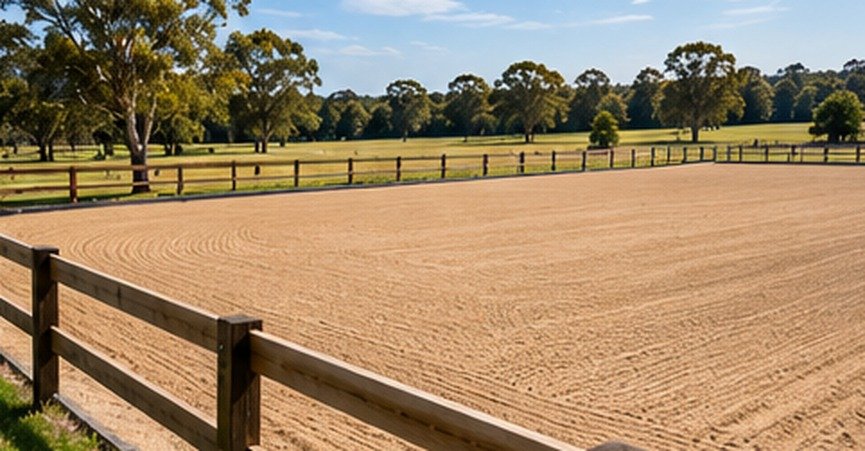
Equestrian facilities require particular attention to drainage because standing water can affect the consistency and usability of riding surfaces.
A well-constructed arena typically relies on appropriate base preparation, accurate grading and drainage suited to the surrounding land.
At Blackrock Earthworks, we specialise in equestrian arena construction, including compacted sandstone bases, laser grading and integrated drainage systems.
These elements help manage water movement and support a more consistent riding surface.
How Professional Earthworks Improve Drainage
Effective property drainagehttps://blackrockearthworks.com.au/wp-content/uploads/2026/11/06_Horse_Arena_Drainage_and_Base.jpg solutions involve more than simply digging a trench or installing a pipe.
The process generally begins with assessing the property to understand its natural contours, existing drainage infrastructure and areas affected by excessive water.
A contractor may evaluate how rainfall moves across the site, identify low points and determine whether changes to ground levels are appropriate.
Where necessary, excavation can create space for drainage pipes, pits and other infrastructure.
Land grading may then be used to establish suitable surface falls and reduce unwanted pooling.
For larger properties, erosion control measures may also be required to help prevent concentrated water flow from washing away soil.
Combining appropriate excavation, grading and drainage construction can provide a more reliable result than treating each problem separately.
Important Drainage Considerations for NSW Property Owners
Before making significant changes to drainage, property owners should understand their responsibilities.
In NSW, natural surface runoff may flow across neighbouring properties according to the slope of the land. However, drainage works generally must not redirect or concentrate water in a way that adversely affects adjoining properties.
Stormwater systems also need suitable legal discharge arrangements, and some works may require council approval or appropriately licensed tradespeople.
For example, connecting roofwater or drainage pipes to a council stormwater system is different from carrying out general earthworks and may require specific authorisation.
If you’re considering substantial drainage alterations, it’s worth checking local council requirements and obtaining appropriate technical advice.
A well-planned drainage project should protect your property without creating new problems for surrounding land.
Why Choose Blackrock Earthworks for Property Drainage Solutions?
When dealing with persistent drainage problems, choosing an experienced earthworks contractor can make a significant difference.
At Blackrock Earthworks, we provide practical earthmoving, site preparation, land grading and drainage solutions for residential, rural and commercial properties.
With over 15 years of experience, our team understands the importance of preparing land correctly and managing water flow as part of a broader earthworks project.
We work across Greater Sydney, the Hawkesbury and Central West NSW, supporting homeowners, acreage owners, builders and equestrian property operators.
Our services include detailed excavation, site grading, drainage preparation, erosion control, retaining walls and equestrian facility construction.
Whether you’re preparing land for a new building, improving a muddy driveway or developing a horse arena, we focus on practical groundwork and reliable project outcomes.
We take pride in honest communication, quality workmanship and a straightforward approach that reflects our country values.
Protect Your Property with Blackrock Earthworks
Poor drainage can affect everything from your backyard and driveway to your paddocks, landscaping and building foundations.
The longer waterlogging and uncontrolled runoff continue, the more difficult the surrounding maintenance problems may become.
Investing in suitable property drainage solutions can help improve land usability, reduce erosion and support the long-term condition of your property.
Whether you need land grading, drainage preparation, rural earthworks or site improvements, Blackrock Earthworks can help you plan the next steps.
Contact Blackrock Earthworks today to discuss your drainage concerns and arrange a consultation for your property.