
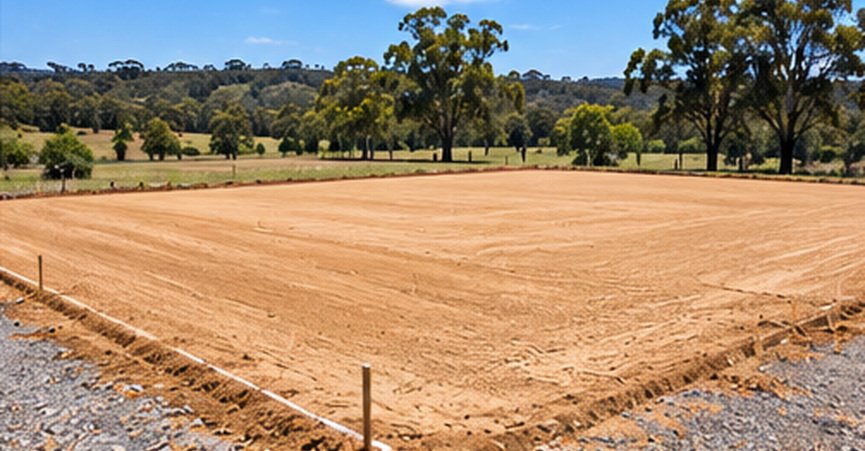
Building a new home is an exciting investment, but before construction begins, the land needs to be properly assessed and prepared. Whether you’ve purchased a residential block, rural acreage or a sloping property, the condition of the ground can have a major impact on your building project.
Uneven terrain, vegetation, unstable soil and poor drainage can all create challenges if they aren’t addressed during the early stages.
That’s why professional site preparation in Sydney plays such an important role in residential construction.
From land clearing and excavation to grading and drainage preparation, getting the groundwork right helps create suitable conditions for the next stage of building.
At Blackrock Earthworks, we provide professional earthmoving and excavation services across Greater Sydney, Hawkesbury and surrounding NSW regions, helping property owners prepare their land for future construction.
Why Is Site Preparation Important Before Building a House?
Site preparation involves assessing and preparing a property so construction work can proceed safely and efficiently.
Every block of land is different. Some properties may require only minor clearing and surface levelling, while others need extensive excavation, rock removal, drainage improvements or significant changes to ground levels.
Without appropriate preparation, builders may encounter unexpected problems such as unsuitable soil, standing water, uneven foundation areas or restricted machinery access.
These issues can interrupt construction and increase project costs.
Professional residential site preparation helps identify potential challenges early and allows earthworks to be coordinated with engineering plans, building approvals and the proposed construction schedule.
The goal isn’t simply to make the land look level. It’s to prepare the site according to the building design, ground conditions and relevant construction requirements.
Step 1: Assess Your Land and Soil Conditions
Before any excavation begins, it’s important to understand the existing condition of your property.
A site assessment may consider natural slopes, soil types, vegetation, drainage patterns, access restrictions and existing structures.
Soil conditions are particularly important because different soils behave differently under building loads.
For example, some clay soils expand and contract as moisture levels change, while loose or poorly compacted ground may require additional preparation.
A geotechnical investigation may be recommended or required to help engineers determine appropriate foundation requirements.
Survey information is also important for establishing property boundaries, existing levels and the location of the proposed building.
Understanding these conditions before construction begins helps ensure the earthworks are planned around accurate site information rather than assumptions.
Step 2: Check NSW Council Approvals and Land Clearing Requirements
Before starting land clearing or major excavation, property owners should confirm which approvals apply to their project.
In NSW, constructing a new home may require development consent or a Complying Development Certificate, depending on the property and proposed building.
Vegetation removal can involve separate requirements, particularly where protected trees, native vegetation or environmentally sensitive areas are involved.
Local planning controls may also affect excavation depth, retaining walls, drainage, site access and the amount of land that can be disturbed.
For properties in bushfire-prone, flood-affected or environmentally sensitive areas, additional assessments may be necessary.
It’s important to discuss these requirements with your builder, council or relevant planning professional before beginning physical work.
Starting major clearing or excavation without the necessary approvals can result in delays and additional costs.
Step 3: Land Clearing and Vegetation Removal
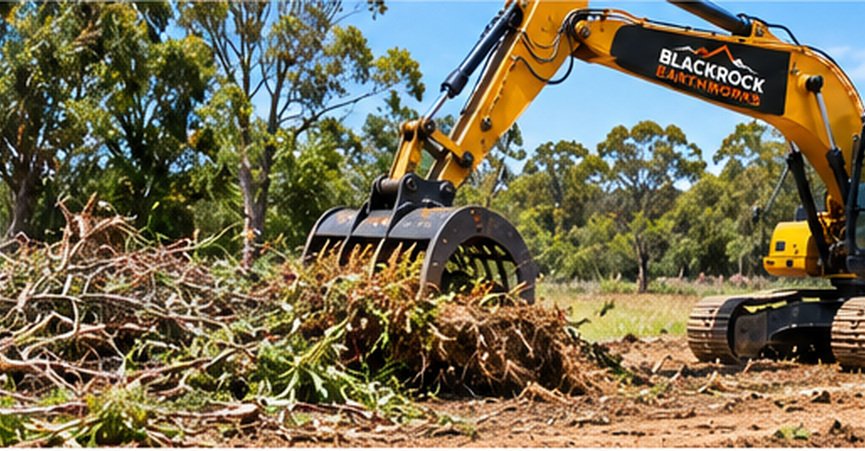
Once the required approvals are in place, land clearing is often one of the first physical stages of preparing a building site.
This process may involve removing approved vegetation, shrubs, tree stumps, rocks, rubbish and other obstacles from the designated work area.
The extent of clearing depends on the building footprint, planned access routes, service connections and other approved site works.
On rural properties, additional clearing may be needed to provide suitable access for construction machinery and delivery vehicles.
However, clearing should be limited to authorised areas, and vegetation identified for protection must remain undisturbed.
Professional land clearing helps create a more accessible worksite while allowing the next stages of excavation and ground preparation to proceed.
At Blackrock Earthworks, our land clearing and site preparation services support residential, rural and commercial projects across NSW.
Step 4: Excavation and Ground Preparation
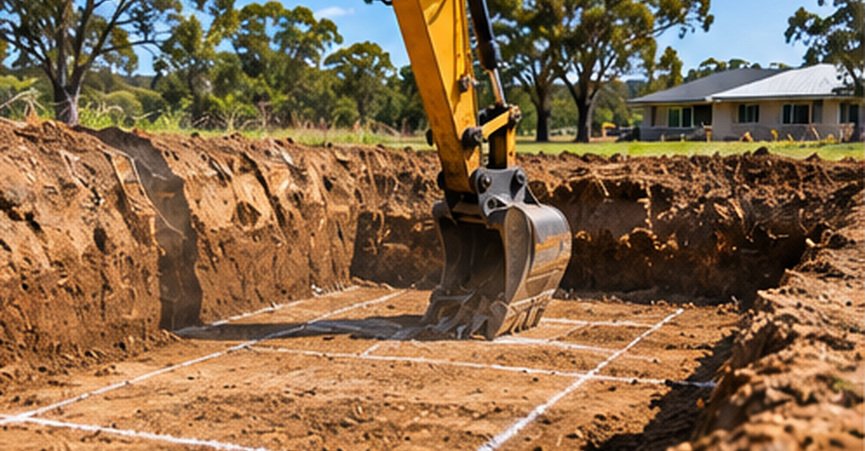
After the site has been cleared, excavation may be required to establish the levels and dimensions specified in the construction plans.
Professional excavation services involve removing soil, rock or other materials to prepare the land for foundations, building platforms and essential infrastructure.
For a residential property, excavation may include cutting into sloping ground, removing unsuitable material, creating trenches or preparing areas for concrete slabs and footings.
Some properties require significant earthmoving, particularly where the planned house sits on a hillside or where natural ground levels vary considerably.
Excavation must be carried out carefully to avoid damaging underground services, neighbouring structures or areas that need to remain undisturbed.
Before digging, underground utilities should be identified through appropriate service plans and locating procedures.
Experienced excavation contractors use suitable machinery and work according to the approved plans, helping establish the required levels while managing site conditions.
Step 5: Site Levelling and Grading
Accurate site levelling is an essential part of preparing land for new home construction.
Site levelling involves adjusting ground levels to suit the planned building platform, while grading shapes the land to manage slopes and surface water movement.
Although some home sites require relatively flat building areas, the entire property does not necessarily need to be level.
The correct ground profile depends on the architectural plans, engineering specifications and drainage design.
On sloping land, earthworks may involve cutting into higher sections and placing suitable fill in lower areas.
Where fill is used beneath structural areas, it must meet the relevant engineering and compaction requirements.
Poorly managed grading can cause water to collect near the home or flow towards neighbouring properties.
Professional site levelling and grading help establish the intended surface levels and prepare the property for foundation construction and other site improvements.
Step 6: Plan Drainage and Stormwater Management
Drainage is one of the most important considerations when preparing a property for construction.
Rainwater naturally follows the slope of the land, but excavation, driveways, retaining walls and other building works can change how water moves across a site.
Without suitable drainage planning, water may collect near foundations, create muddy access areas or contribute to erosion.
Depending on the property, drainage measures may include surface drains, stormwater pits, subsoil drainage, graded channels or other engineered systems.
The correct approach depends on the approved stormwater design and available legal discharge arrangements.
For rural blocks, additional attention may be needed around access roads, paddocks and larger areas of exposed ground.
Planning drainage alongside excavation and site grading can help reduce the need for disruptive changes later in the project.
Step 7: Prepare Access for Construction Machinery
Building a new home requires regular access for machinery, trucks, materials and contractors.
Before major work begins, it’s important to consider how excavators, delivery vehicles and other equipment will enter and move around the property.
Narrow entrances, steep driveways, soft ground and limited turning space can create practical challenges.
On rural properties, temporary access tracks or driveway improvements may be necessary.
Suitable site access helps contractors move equipment efficiently while reducing unnecessary disturbance to surrounding areas.
Careful planning also provides an opportunity to identify where excavated material will be stored, reused or removed from the property.
Step 8: Soil Compaction and Final Site Preparation
After excavation and grading, the prepared ground may require compaction and verification before construction proceeds.
Compaction helps improve the density of suitable fill and reduce the risk of excessive settlement.
The required level of compaction depends on the engineering specifications, soil type and intended use of the prepared area.
Testing may be required to confirm that engineered fill meets the necessary standards.
Final site preparation can also involve removing remaining debris, checking completed levels and ensuring the work area is ready for the next construction stage.
The builder and relevant engineers should confirm that the completed earthworks meet the project’s requirements before foundation work begins.
Common Site Preparation Mistakes to Avoid
One of the most common mistakes is starting excavation before obtaining the necessary approvals or understanding the site’s existing conditions.
Another is underestimating how much earthmoving a sloping property may require.
Poor drainage planning can also create long-term problems, particularly where surface water is directed towards buildings or adjoining properties.
Some property owners focus only on the initial clearing cost without considering rock excavation, soil removal, retaining requirements or machinery access.
Choosing an experienced earthworks contractor and coordinating the work with the builder and engineer can help reduce these risks.
A clear project scope and realistic understanding of site conditions are important for managing both costs and timelines.
Why Choose Blackrock Earthworks for Site Preparation in Sydney?
When preparing land for a new home, choosing the right earthworks contractor is an important part of the construction process.
At Blackrock Earthworks, we provide professional land clearing, site preparation, excavation, grading and earthmoving services across Greater Sydney, Hawkesbury and surrounding NSW regions.
With over 15 years of industry experience, our team understands the challenges involved in preparing residential, rural and commercial sites.
Our services include vegetation clearing, bulk and detailed excavation, site cuts, ground levelling, drainage preparation and material removal.
We use modern earthmoving machinery and practical site planning to help prepare land accurately and efficiently.
From straightforward residential blocks to challenging rural properties, our focus is on reliable workmanship, clear communication and getting the groundwork right.
We believe that every successful building project starts with solid preparation.
Start Your New Home Project with Blackrock Earthworks

Preparing your land properly is one of the most important steps in building a new home.
From understanding soil conditions and organising approvals to completing land clearing, site levelling and excavation services, each stage contributes to creating a suitable foundation for the construction work ahead.
Whether you’re building on a residential block, developing rural acreage or preparing a sloping site, professional earthworks can help reduce avoidable setbacks and keep your project moving.
If you’re looking for reliable site preparation in Sydney, Blackrock Earthworks is ready to help.
Contact Blackrock Earthworks today to discuss your new home project and arrange a site assessment or no-obligation quote.